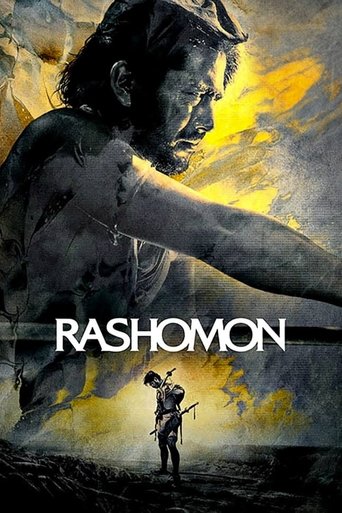
Rashomon (1950)
The husband, the wife… or the bandit?
Director: Akira Kurosawa · Writers: Akira Kurosawa, Shinobu Hashimoto
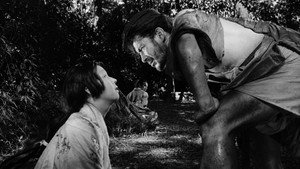
Four people recount different versions of the story of a man's murder and the rape of his wife.
Where to watch
 HBO Max Amazon Channel
 HBO Max
 Amazon Video
 Apple TV Store
 Fandango At Home
Amazon Video
Apple TV Store
Fandango At Home
Fandango At Home
Amazon Video
Apple TV Store
Fandango At Home
Trailer
Director
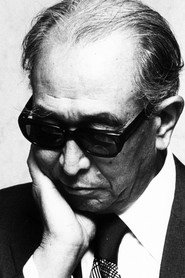 Akira Kurosawa
Cast
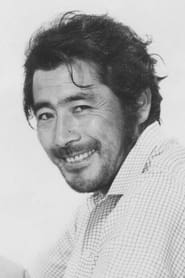 Toshirō Mifune
Tajômaru
Toshirō Mifune
Tajômaru 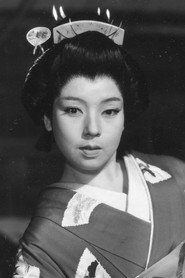 Machiko Kyō
Masako
Machiko Kyō
Masako 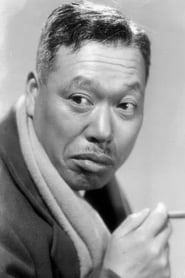 Takashi Shimura
Woodcutter
Takashi Shimura
Woodcutter  Masayuki Mori
Takehiro
Masayuki Mori
Takehiro 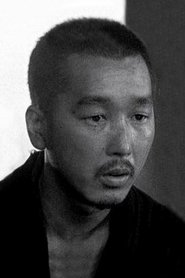 Minoru Chiaki
Priest
Minoru Chiaki
Priest 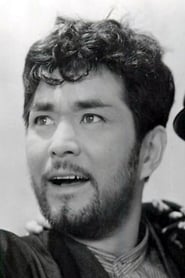 Kichijirō Ueda
Commoner
Kichijirō Ueda
Commoner 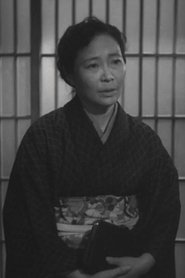 Noriko Honma
Medium
Noriko Honma
Medium  Daisuke Katō
Policeman
Daisuke Katō
Policeman User Reviews (4)

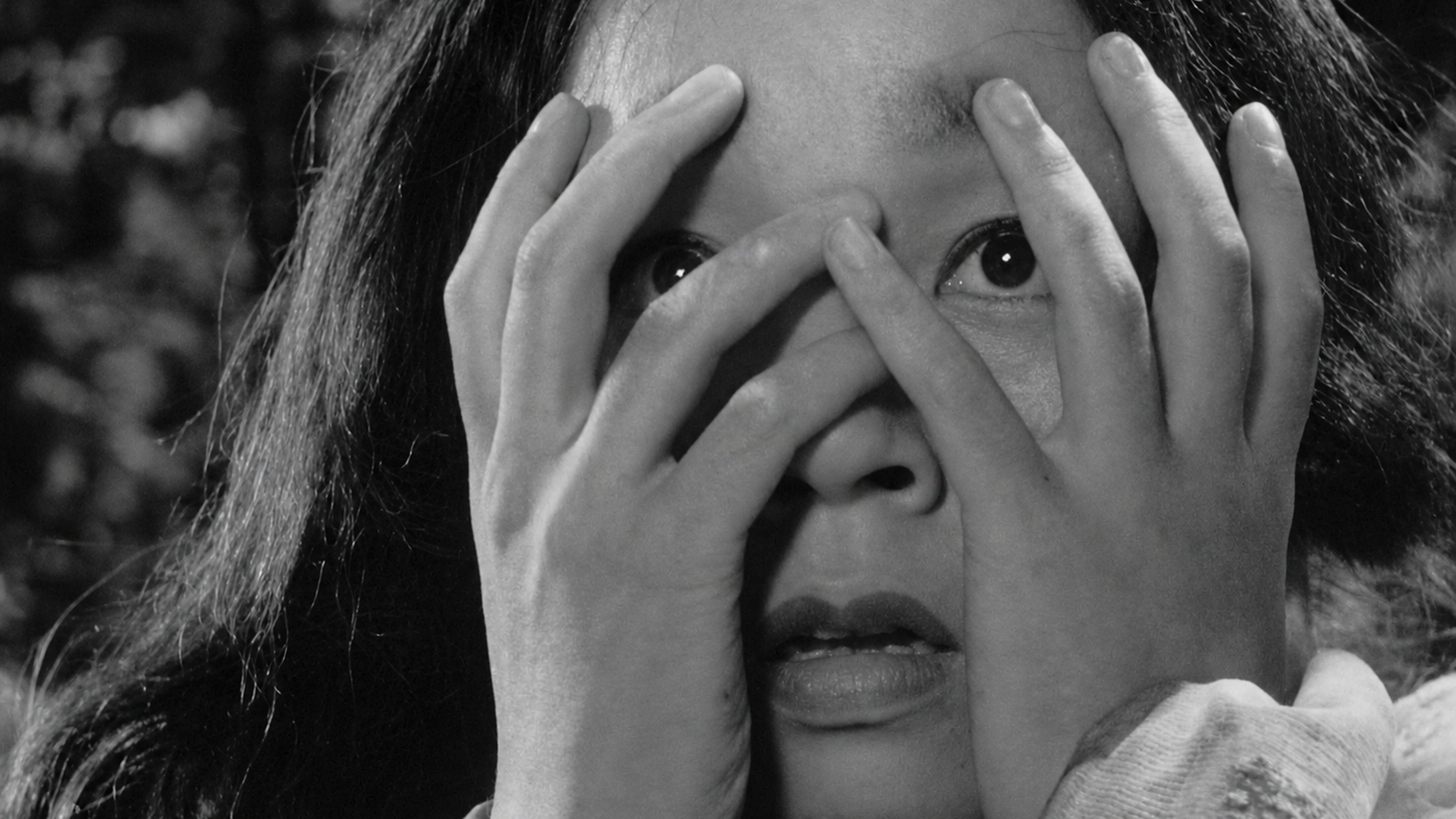
Rashomon beguiles through the torrential downpour of fabrication. “It’s human to lie. Most of the time we can’t even be honest with ourselves”. Honesty. Deceit. Contradiction. A crucial part of human preservation is the requirement to lie. Intentional or accidental, it’s within our ancestral blood. The unprejudiced can succumb to the immoral values of deceit, either through meticulous storytelling or scattershot deception. Even the truth can be distorted by one’s self-absorbed ego. The mutually contradictory stories of a bandit, Samurai and his wife, during a police questioning of an ambush, rape and murder, provides Kurosawa with the leverage to thematically explore the depths of human duplicity. A narrative conveyed through the perspective of four individuals, each telling a variation of the same event and asserting it as the truth. Yet who is moral? Who is verifiable? T…

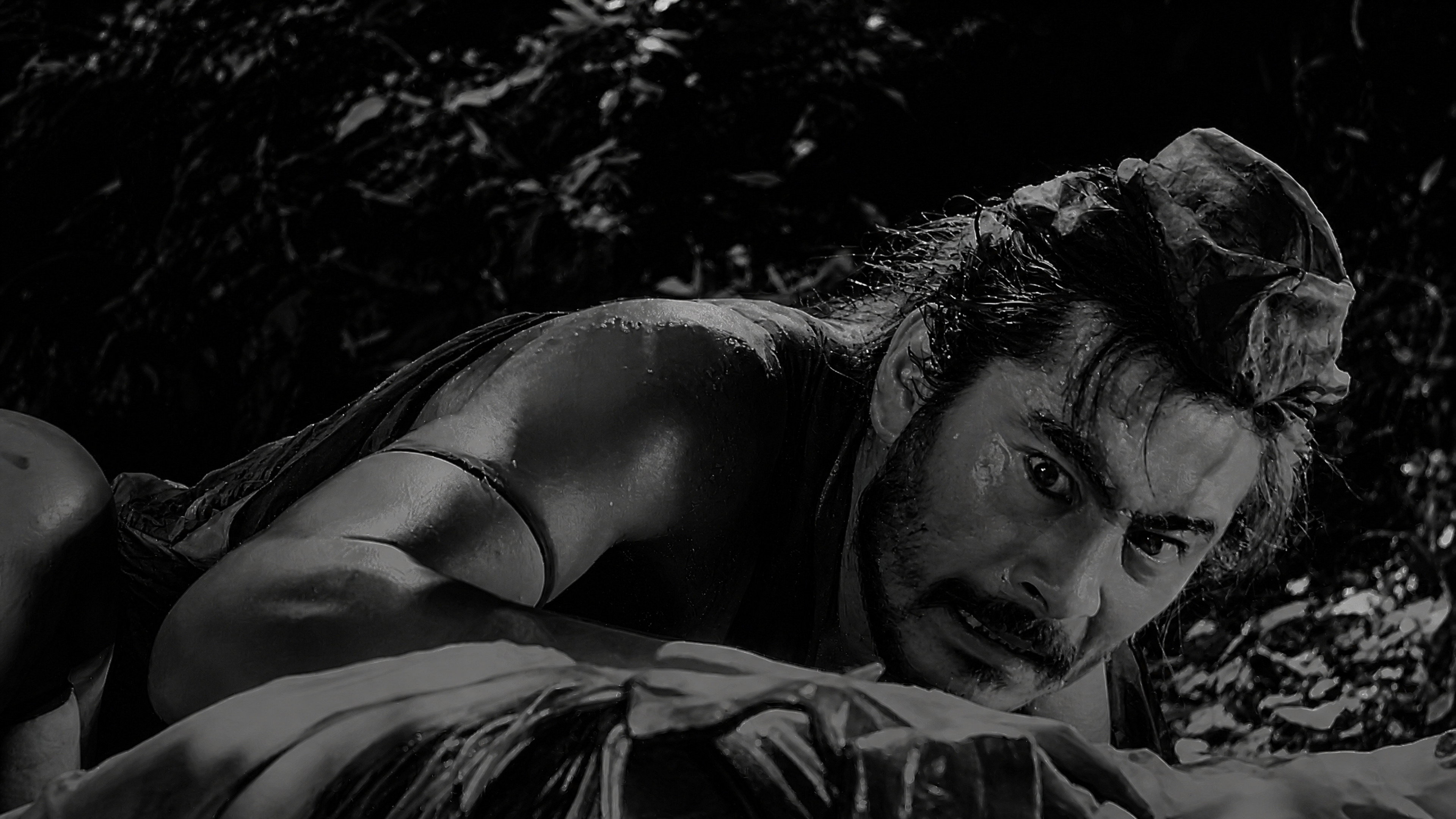
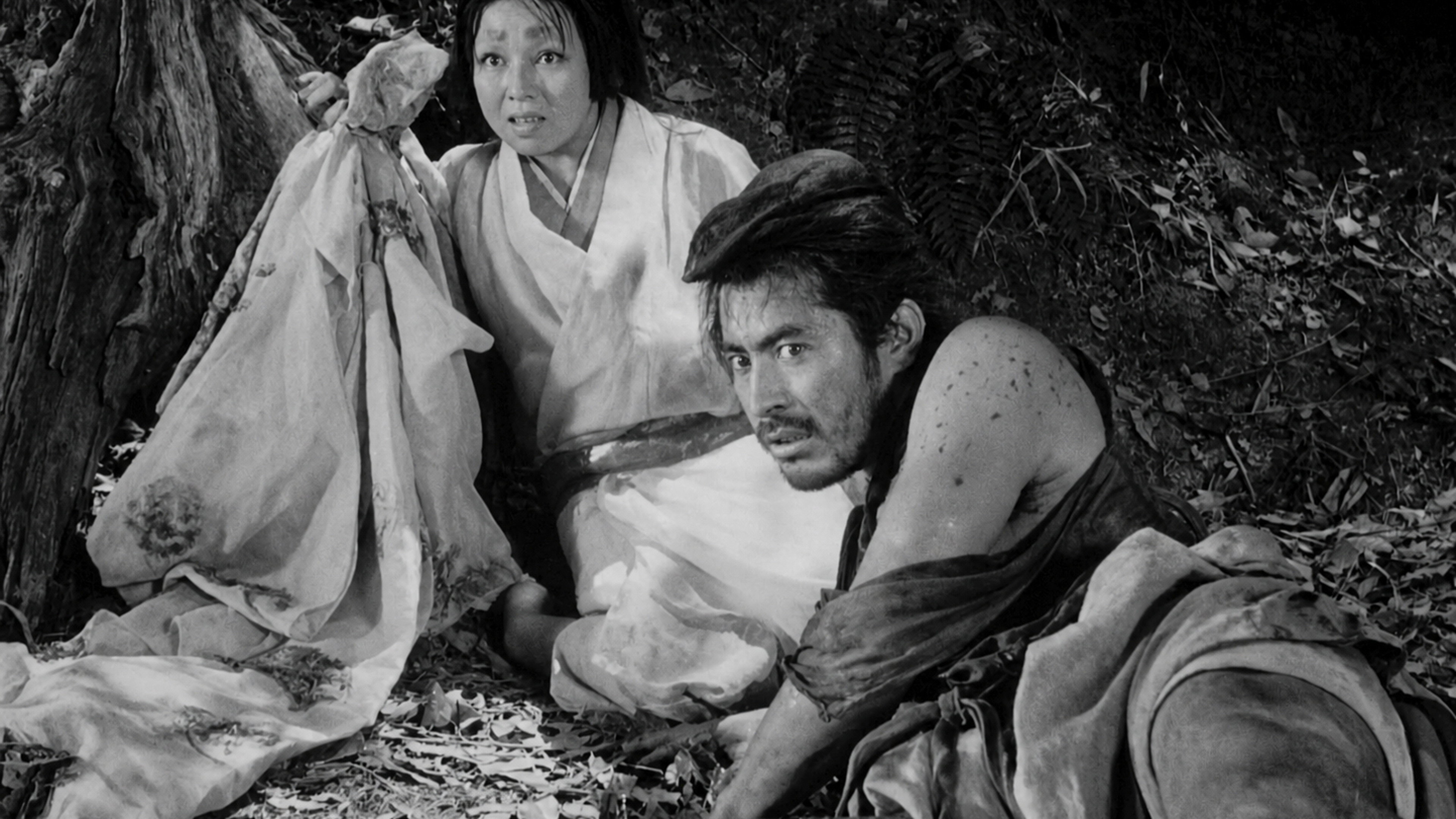
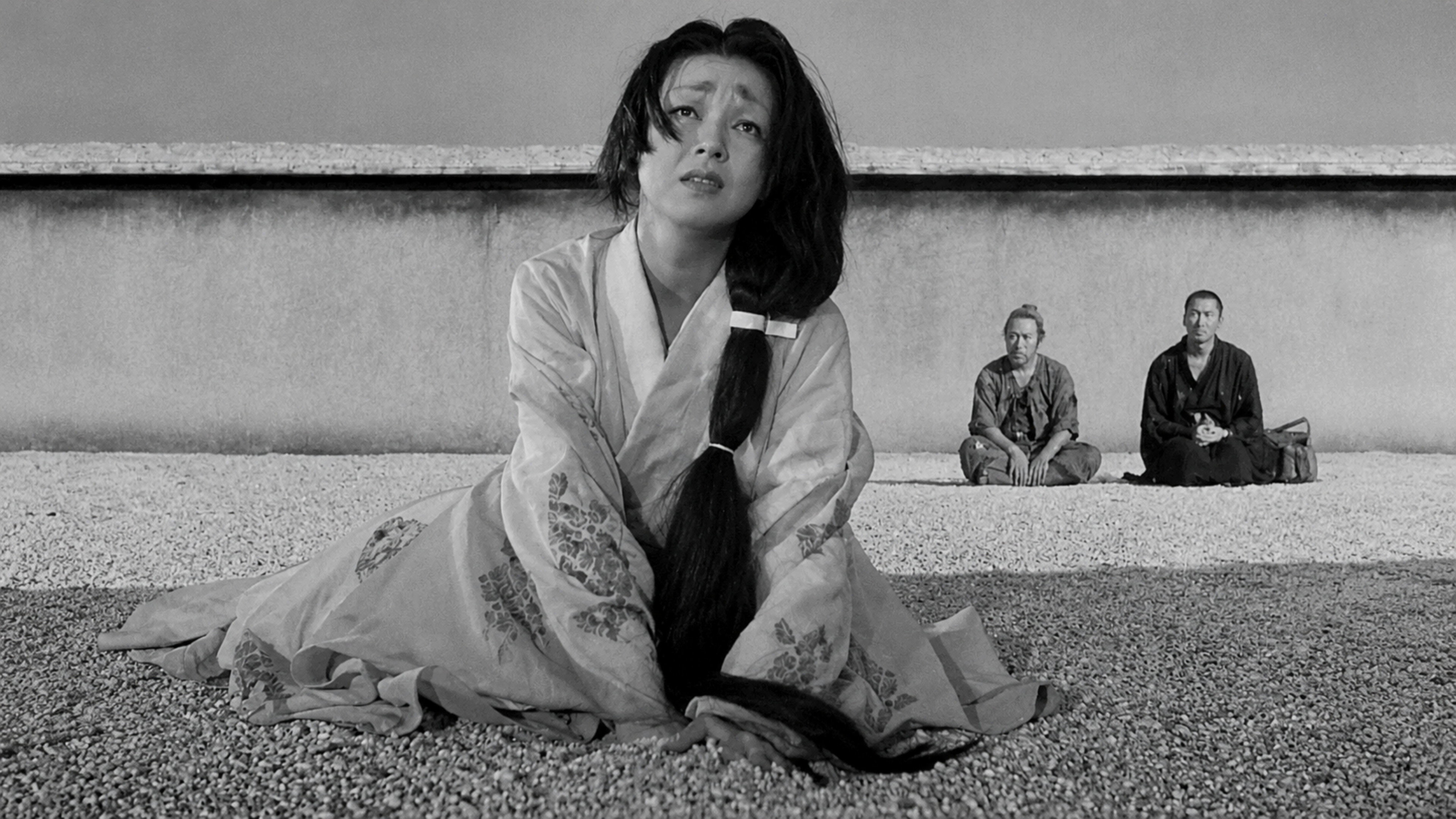
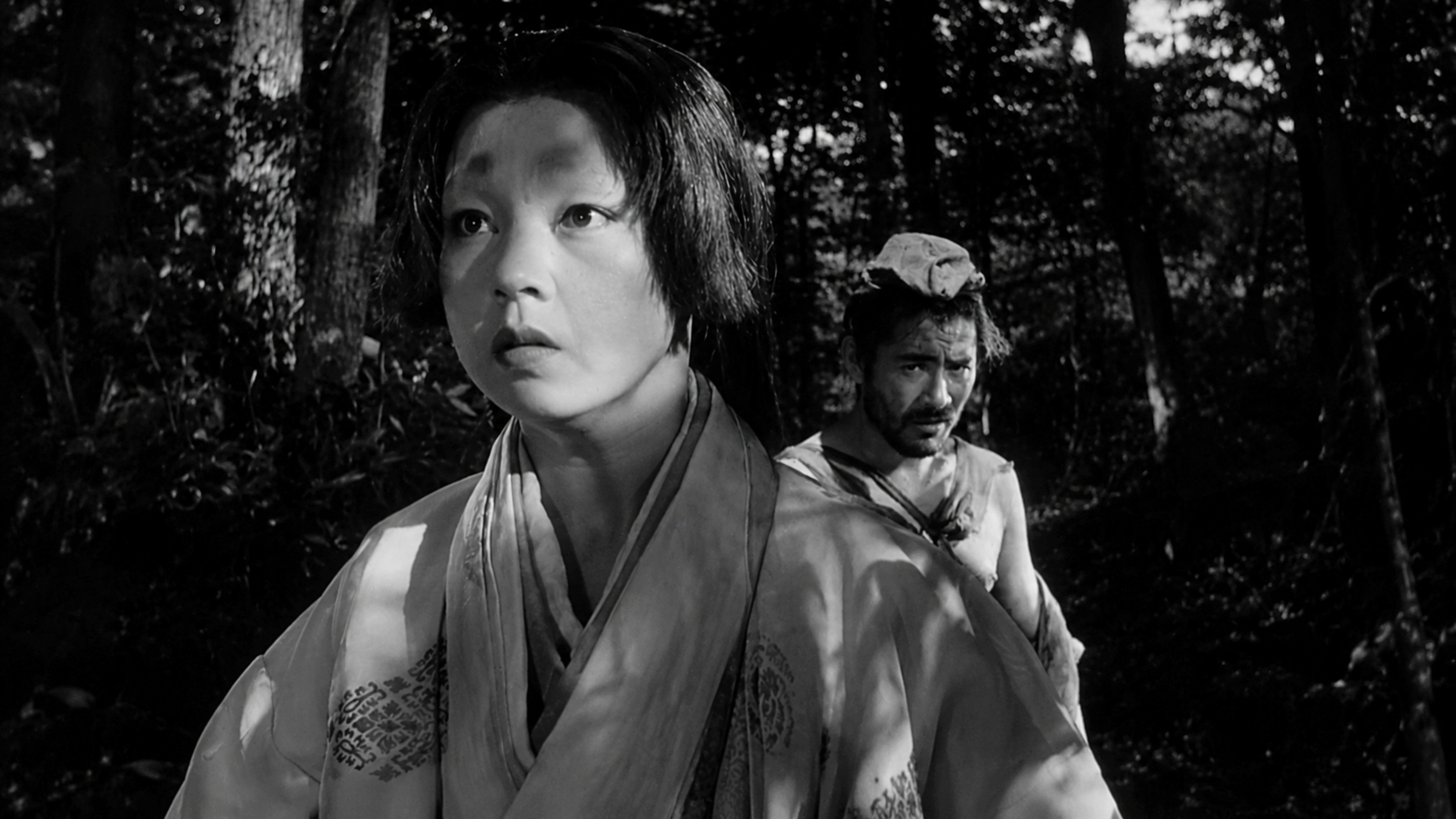
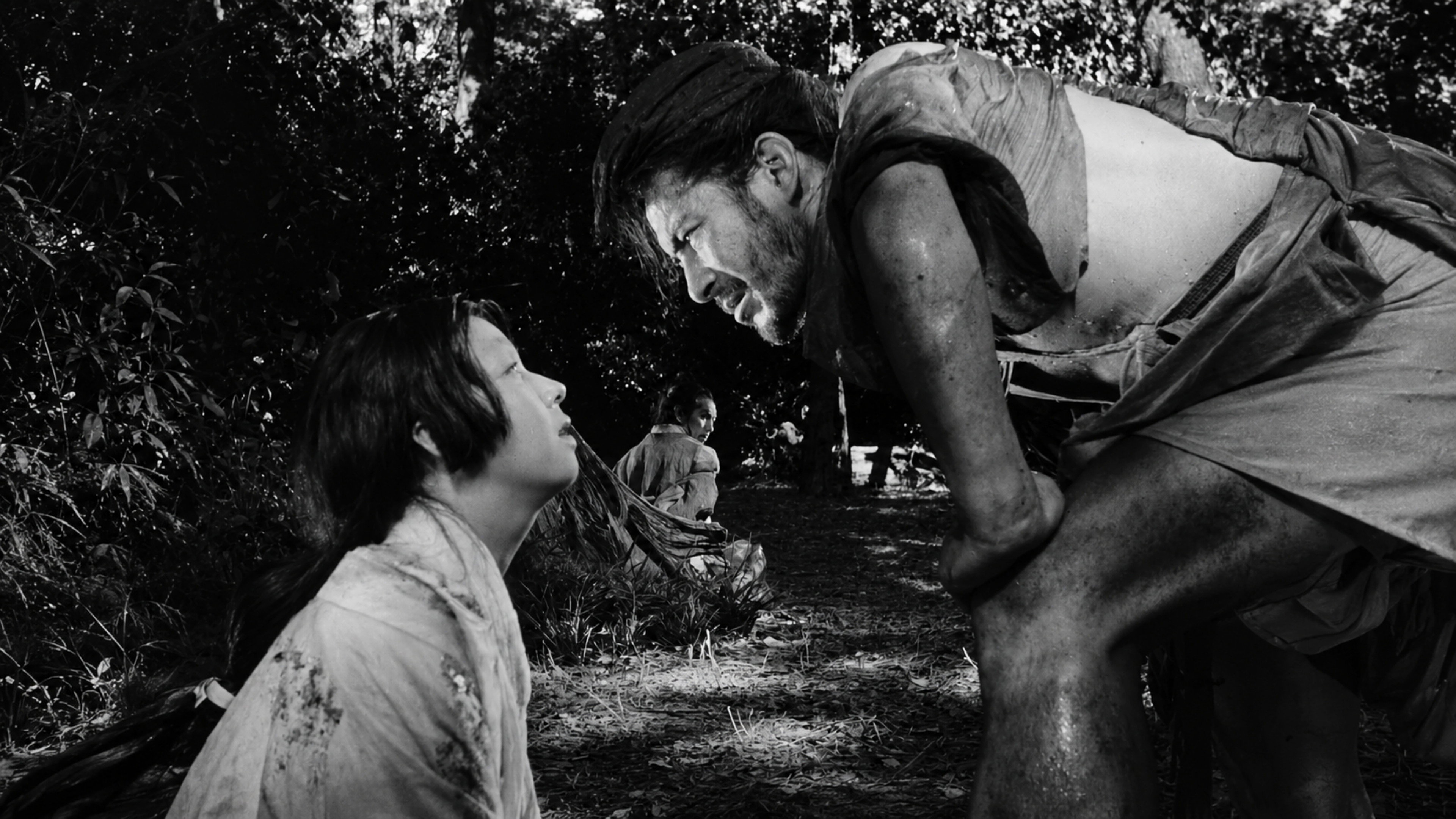
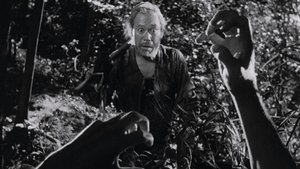
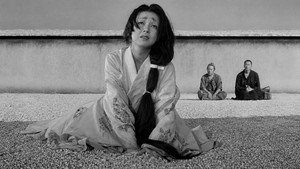
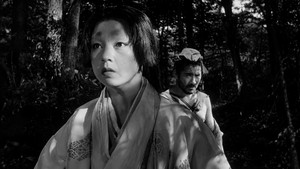
In what seems like an endless, almost biblical, rainstorm we meet three people sheltering in the ruins of an old gatehouse. Each has their own story to tell of the rape of a woman and of the murder of her husband. It was the woodcutter (Takashi Shimura) who discovered the body and who alerted the authorities. It was those authorities that conducted a trial at which a priest (Minoru Chiaki), the woodcutter, the widow/victim (Machiko Kyô); the ghost of her deceased Samurai husband and, finally, the renowned bandit "Tajômaru" (Toshirô Mifune) are required to testify. We are shown manifestations of each testimony: all smilier but different. Who were the two victims? Was he honourable and decent? Was she demure or a temptress? Are those testifying embellishing what they saw, what they did? What makes this film great is that there doesn't appear to be a right answer. Each version is plausib…

**A good movie.** Despite acknowledging the quality and attention to detail, I can't really enjoy Japanese cinema. Maybe because it's so different from what we have around here. But even being so different, we have to recognize the talent of those who have it. Akira Kurosawa is a director with a sharp eye and detail, who knows how to direct the people under his command and extract from each one what he needs for the film he has in hand. This film seemed to me to be a lot more complicated than it would have been presumed, and I must say that I decided to watch it without knowing very well what I was going to find. Sometimes it feels good to discover something and let yourself be surprised, doesn't it? The story revolves around a crime committed in the middle of the forest, in which a very rich nobleman dies, and the film explores very well the nuances between the versions of the fac…

I rarely ever give a film a perfect score, but undoubtedly Rashomon deserves it. I first watched this film at the tender age of 8, so 6 years ago now, and it has lodged deep in my head ever since. The film is beautiful in a way no other film is, and the sculpting of each character is simply perfect. It's an idea which I refuse to call a murder mystery, since it's not asking to be solved. For some not knowing is displeasing, but the film's message is that truth cannot always be discovered. You could go further and ask what truth even is! Who is telling the truth? And can truth change? The acting, especially from Mifune, is awe-inspiring. The gorgeous shading and cinematography creates an immersive experience that washes over the viewer. The power of the film is beyond words, and I have no hesitation giving it the title of my single favourite film of all time. But then again, …